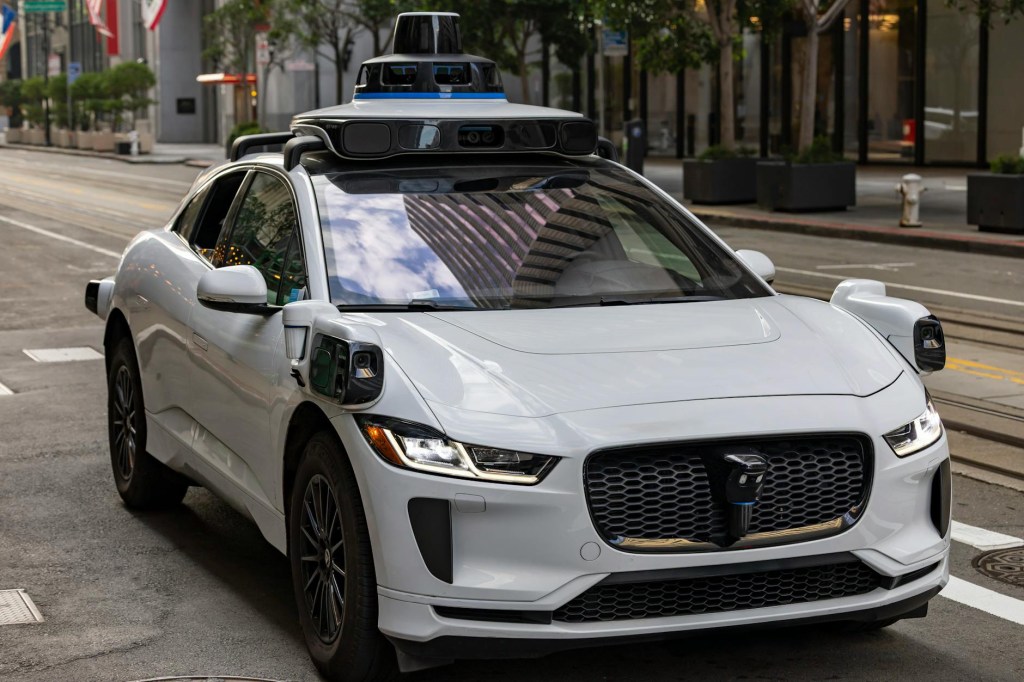
Waymo vehicles are now being issued parking tickets and fines.
Think about that for a second. We’ve officially entered an era where AI systems and autonomous machines are integrated into society deeply enough to inherit one of humanity’s oldest experiences: getting penalized for breaking the rules.
What fascinates me most is how this shifts the conversation around policy, cost, careers, and AI itself.
From a policy perspective, who is actually responsible when an autonomous vehicle violates traffic or parking regulations? Is it the passenger, the company, the engineers, the software, or the city infrastructure that failed to communicate effectively with the system? Governments and regulators are now being pushed into territory that didn’t exist a decade ago. Laws originally designed for human decision-making must now account for machine behavior operating in real-world environments.
There’s also a major cost conversation happening underneath the surface. Parking tickets may sound minor, but when scaled across thousands of autonomous vehicles operating daily, even small inefficiencies become expensive operational realities. AI systems don’t eliminate overhead; in many ways, they create entirely new categories of operational and legal expense. Companies will need teams focused on AI governance, compliance, urban mobility strategy, and predictive infrastructure management to support these technologies responsibly.
And then there’s the career impact. I don’t think AI simply removes jobs as much as it redistributes human expertise into new spaces. The rise of autonomous systems may create demand for AI policy analysts, ethics specialists, transportation strategists, compliance leaders, human-AI operations managers, and professionals who can bridge the gap between technology and society. The future of work may belong to people who understand both systems and human behavior.
What this moment also reveals is something important about AI itself: AI does not remove societal complexity. It inherits it. If humans struggle with traffic laws, judgment calls, ethics, unpredictability, and urban systems, AI eventually encounters those same challenges at scale.
We are no longer discussing whether AI will integrate into society. We are now discussing how society will adapt to living alongside AI systems every day.
If you enjoyed reading this article, make a donation!
 The Launch Table
Leave a comment