Category: A penny for your thoughts

  • Beyond Babel: In an AI World, Do the Problems of Human Division Disappear?

    Beyond Babel: In an AI World, Do the Problems of Human Division Disappear?

    Thousands of years after the story of the Tower of Babel, humanity is once again reaching toward the heavens — this time through artificial intelligence. In the biblical story, humanity spoke one language and shared one collective vision. People gathered in the land of Shinar and decided to build a city and a tower so great that it would reach the heavens. Their goal was not only architectural. achievement, but significance. They wanted to make a name for themselves and avoid being scattered across the earth. In response, God disrupted their communication, confusing their language and scattering humanity into different nations and peoples.

    For centuries, Babel has symbolized division, misunderstanding, ego, fragmentation, and the limits of human ambition. It has often been interpreted as the moment humanity lost a unified voice. Yet today, something remarkable is unfolding. Artificial intelligence now has the ability to translate languages in real time. A person in Atlanta can communicate instantly with someone in Tokyo, Lagos, or São Paulo. AI systems can transcribe speech, localize communication, and bridge barriers that once separated entire civilizations. For the first time in history, humanity is approaching something close to universal communication.

    This raises a fascinating question: if AI can eliminate language barriers, does it reverse Babel? Or were the problems of Babel never truly about language to begin with?

    Today’s technological age resembles Babel more than many people realize. We are constructing massive digital towers composed of global networks, artificial intelligence systems, virtual economies, cloud infrastructures, semiconductor ecosystems, and increasingly, synthetic forms of intelligence. Humanity is once again unified around innovation, scale, and creation. Technology has given us the ability to coordinate globally in ways ancient civilizations could never imagine. AI is becoming a universal translator not only of words, but of information itself. Yet despite this unprecedented connectivity, people remain deeply divided. Because misunderstanding was never only linguistic.

    AI can translate words, but it cannot automatically create empathy. It can interpret sentences while still missing emotional context, historical pain, cultural nuance, power dynamics, intent, and lived experience. Two people can understand each other’s language perfectly and still fail to truly understand one another. This is where the deeper lesson of Babel begins to emerge. The true fracture may not have been vocabulary at all. It may have been human ego, ambition without wisdom, and unity disconnected from deeper purpose.

    Technology can solve communication problems, but humanity still must solve meaning problems.
    Many people read the Babel story as the origin story of multiple languages, but perhaps the confusion of language symbolized something deeper: the fragmentation of human consciousness itself. Before Babel, humanity functioned collectively. After Babel, humanity divided into tribes, nations, identities, ideologies, and competing realities. In many ways, we are still living inside Babel today — not because we speak different languages, but because we increasingly experience different truths.

    Modern algorithms now shape reality itself. People consume different news, different histories, different interpretations, and different moral frameworks depending on the digital environments they inhabit. Ironically, AI may not eliminate Babel; it may intensify it. The confusion is no longer simply about language. It is about truth, perception, and shared reality.

    The modern digital world has created a profound paradox. Humanity has more access to information than any civilization in history, yet trust continues to decline. Loneliness increases. Polarization accelerates. Attention itself becomes fragmented. We are hyperconnected technologically while becoming psychologically disconnected from one another. The internet solved distance. Social media solved speed. AI may solve translation. But none of these technologies automatically solve alienation, fear, greed, insecurity, narcissism, or the human desire for power.

    In many ways, technology amplifies whatever already exists within humanity. A compassionate society may use AI for healing and accessibility. An anxious society may use AI for manipulation and surveillance. A fearful society may use AI for control. Technology is rarely neutral. It reflects the consciousness of the people creating and wielding it.

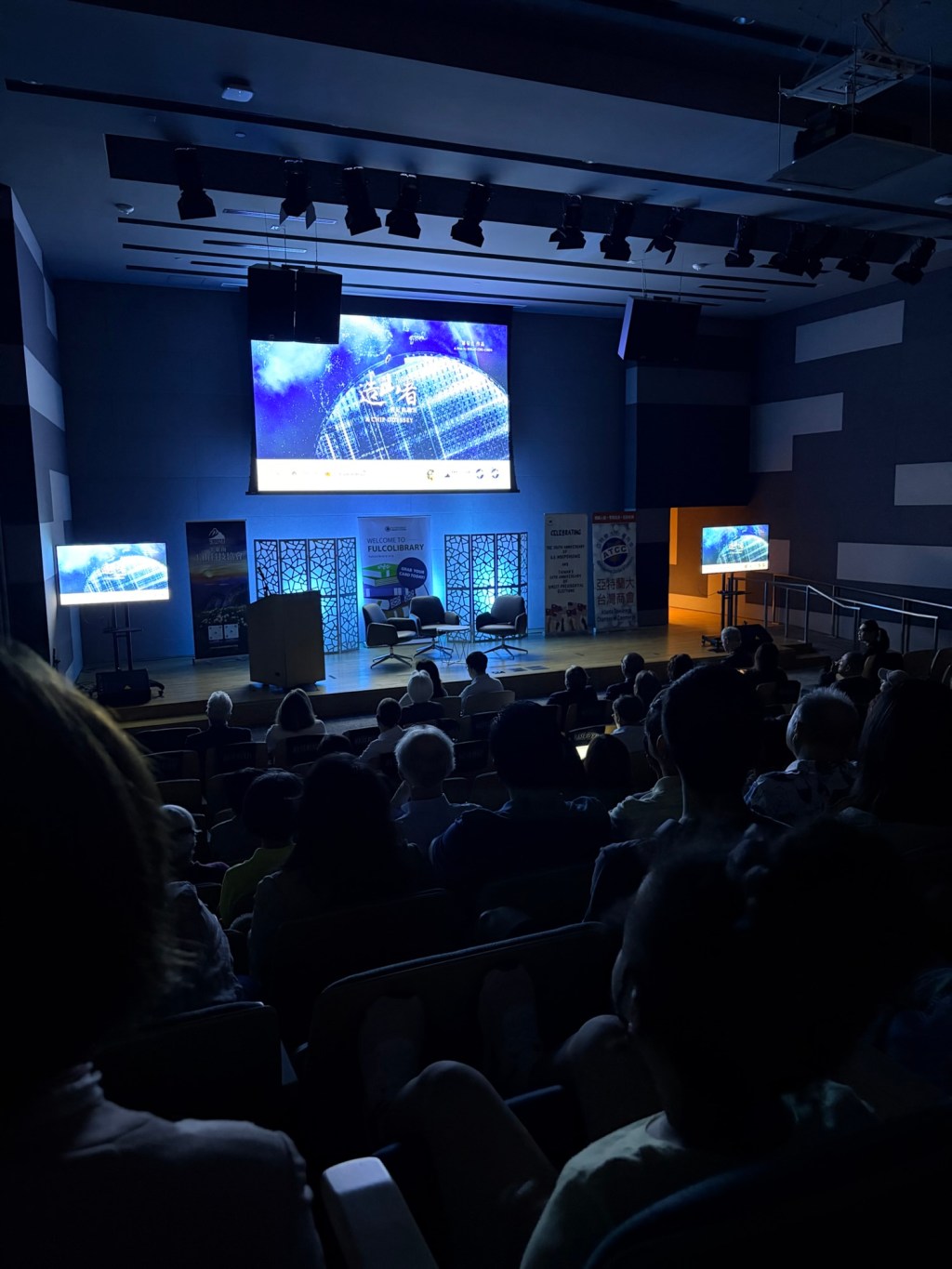
    This reality becomes even more visible when looking at the global semiconductor race. Recently, films and documentaries such as Chip Odyssey have highlighted the extraordinary geopolitical importance of Taiwan and companies like TSMC — Taiwan Semiconductor Manufacturing Company. What appears on the surface to be a story about computer chips is actually a story about power, intelligence, infrastructure, and the future of civilization itself.

    TSMC’s major advancements fundamentally changed the trajectory of modern computing and accelerated the rise of AI. Their breakthroughs were not simply about making chips smaller. They mastered the manufacturing of semiconductors at scales so advanced that very few organizations on Earth can replicate them. Through innovations in 7nm, 5nm, 3nm, and now emerging 2nm technologies, TSMC enabled chips to become faster, more energy efficient, and exponentially more powerful.
    This matters because AI depends on computation, and computation depends on chips.

    Every major AI breakthrough rests upon enormous computational infrastructure powered by advanced semiconductors. AI systems like large language models require massive amounts of processing capability to train and operate. Companies like NVIDIA, Apple, AMD, and others design powerful chips, but many rely on TSMC to manufacture them. In many ways, semiconductors have become the hidden nervous system of modern civilization. The significance of this cannot be overstated.

    Smartphones, cloud computing, autonomous systems, financial markets, military infrastructure, healthcare systems, and artificial intelligence all depend on these microscopic pieces of silicon. What oil was to the industrial age, semiconductors are becoming to the intelligence age.

    This changes the Babel metaphor dramatically.
    The original tower was built with bricks reaching physically toward the heavens. Today’s tower is built with silicon reaching cognitively toward intelligence itself.


    At the base of this modern tower are rare earth minerals, energy systems, global supply chains, semiconductor fabrication plants, and cloud infrastructure. In the middle are algorithms, machine learning models, data centers, and autonomous systems. At the top are influence, prediction, economic power, military superiority, and increasingly, the ability to shape human perception itself.


    The competition is no longer simply about who can build the tallest tower. The competition is now about who controls the intelligence inside the tower.

    This is why the semiconductor race has become inseparable from national security and geopolitical strategy. Taiwan is no longer merely an island in the global economy. It has become one of the most strategically important regions in the world because modern civilization depends heavily on its semiconductor manufacturing capacity.

    Yet AI introduces another profound layer to this story. The original Babel narrative warned of humanity organizing around concentrated ambition without sufficient wisdom. Today AI creates the possibility of unprecedented concentration: concentrated data, concentrated computation, concentrated surveillance, concentrated influence, and concentrated decision-making power. A small number of corporations and governments may soon possess systems capable of shaping the thoughts, behaviors, and emotional reactions of billions of people through algorithms and predictive systems.

    In this sense, the “single language” of the future may not be spoken language at all.
    It may be algorithms.

    AI systems increasingly influence what people see, what people believe, what people purchase, who they trust, and how they emotionally respond to the world around them. This represents a form of psychological and informational power unlike anything humanity has previously encountered.

    At the same time, AI is beginning to influence semiconductor development itself. Artificial intelligence is now being used to optimize chip layouts, improve manufacturing efficiency, predict defects, automate portions of design, and accelerate materials research. This creates a powerful feedback loop: better chips create better AI, and better AI helps create better chips.

    The cycle compounds itself.

    The semiconductor industry and AI industry are no longer separate ecosystems. They are merging into one interconnected intelligence infrastructure.

    This is why the AI era feels spiritually and psychologically significant. Humanity is not simply building better machines. Humanity is building systems that increasingly mirror human cognition itself — systems capable of language generation, prediction, reasoning, optimization, and decision-making.

    The deeper question beneath the semiconductor race may therefore be this:

    Will AI become an extension of humanity’s highest values, or an amplifier of humanity’s unresolved shadows?
    Because technology evolves rapidly, but human wisdom evolves slowly.

    That may be the real danger.

    The greatest risk of AI may not be artificial intelligence itself, but amplified human immaturity operating at planetary scale. AI magnifies intent. A wise civilization could use these tools to cure disease, democratize education, reduce suffering, optimize sustainability, and foster collaboration across nations. An unwise civilization could use the same tools for surveillance, manipulation, economic displacement, autonomous warfare, engineered division, and social control.

    The faster technology evolves, the more people search for mindfulness, embodiment, nervous system regulation, spirituality, emotional intelligence, and meaning. Information abundance does not satisfy the human spirit. Optimization alone cannot heal emptiness.

    AI can generate content endlessly, but it cannot tell a person why their life matters. It can simulate conversation, but simulation is not human presence. It can analyze emotion, but analysis is not love.

    This may explain why coaching, therapy, yoga, mindfulness, leadership development, and healing-centered professions are becoming increasingly important in the AI era. As machines become more capable, humanity becomes more responsible for protecting what is deeply human.

    In the industrial age, value came from physical labor. In the information age, value came from knowledge. In the AI age, knowledge itself becomes increasingly abundant and automated. This shifts the value of human contribution toward something different: discernment, emotional intelligence, ethical judgment, adaptability, wisdom, creativity, and trust.

    The future may belong less to those who simply know the most information and more to those who know how to create meaning, build relationships, regulate emotion, navigate ambiguity, and lead human beings through complexity.

    Ironically, AI may force humanity to rediscover humanity.
    Perhaps AI does not destroy Babel. Perhaps it reveals its true nature. The story was never simply about different languages. It was about what happens when humanity gains power faster than wisdom.

    Today we stand before another tower — a digital tower, an intelligent tower, a global tower built not from bricks, but from silicon, algorithms, computation, and human ambition.

    And once again, the question is not simply: “Can we build the tower?” The question is, “What kind of people are we becoming while we build it?”

  • The New Social Contract in the Age of AI

    The New Social Contract in the Age of AI

    If AI and robotics dramatically increase productivity while reducing the need for human labor in many areas, then the financial burden placed on humans should decrease — while the value of uniquely human contribution should increase. Society cannot continue operating under economic systems designed for industrial-era scarcity while simultaneously embracing technologies capable of producing abundance at unprecedented scale. As artificial intelligence assumes more responsibility for repetitive, analytical, logistical, and operational tasks, the economic benefits generated by these systems should not remain concentrated solely among corporations and shareholders. Workers, consumers, students, and families should experience tangible relief through higher compensation, reduced costs, and improved quality of life.

    In the workplace, employees should demand higher wages and stronger forms of value-sharing as AI expands organizational productivity. Human workers are no longer simply performing manual or administrative labor; they are increasingly managing systems, interpreting outputs, solving complex interpersonal problems, and contributing emotional intelligence, ethics, creativity, leadership, and strategic thinking — all areas where human value remains essential. If one employee can now produce the output that once required an entire department due to AI augmentation, then compensation structures should reflect that increased productivity. The future of work should not reward humans less because machines are more capable; rather, it should reward humans more because their uniquely human contributions become increasingly rare and indispensable.

    At the same time, the cost of education should decrease significantly as AI transforms learning systems. Universities and educational institutions are rapidly adopting AI tools capable of tutoring students, automating administrative work, personalizing instruction, generating learning materials, translating content, and improving accessibility. These technologies dramatically lower the cost of delivering knowledge at scale. As a result, rising tuition costs become increasingly difficult to justify. Education should become more accessible, adaptive, and affordable, particularly when AI can supplement or enhance many traditional instructional functions. The future of education should prioritize learning outcomes and accessibility over maintaining expensive legacy systems that no longer reflect the realities of technological advancement.

    Beyond wages and education, the broader cost of living should also decline in an AI-driven economy. Robotics and intelligent automation are already reducing the costs associated with manufacturing, transportation, logistics, agriculture, customer service, and even portions of healthcare administration. As production becomes more efficient, basic necessities such as food, housing, energy, and consumer goods should become more affordable for the average person. If society reaches a point where machines can produce more with less labor, yet people continue struggling to afford rent, healthcare, childcare, or groceries, then the issue is no longer technological limitation but economic distribution. The promise of AI should not be a world where humans compete against machines for survival, but one where technological progress creates greater stability, dignity, and freedom for human life.

    This moment represents more than a technological transition; it represents a moral and economic crossroads. The central question of the AI era is not whether machines can outperform humans in certain tasks, but whether the wealth and efficiency generated by intelligent systems will improve human well-being on a broad scale. If productivity rises while wages stagnate, tuition increases, and living costs remain unaffordable, then society risks creating a future where technological advancement benefits only a narrow segment of the population. However, if leaders, policymakers, businesses, and workers collectively redefine how value is distributed, AI has the potential to reduce economic strain while elevating human potential.

    Ultimately, the rise of AI and robotics should force society to reconsider what humans truly deserve in an age of abundance. People should not only demand higher pay, but also greater access to affordable education, reduced living costs, improved work-life balance, and more opportunities to engage in meaningful, creative, and relational forms of work. The future economy should be designed not merely around efficiency, but around human flourishing.

    If the human role is to guide and supervise complex AI systems, then, humans should be compensated at higher rates for their part in this.

    If you enjoyed reading this article, make a donation!

  • Waymo Got a Parking Ticket… Now Let’s Talk About the Future of AI

    Waymo Got a Parking Ticket… Now Let’s Talk About the Future of AI

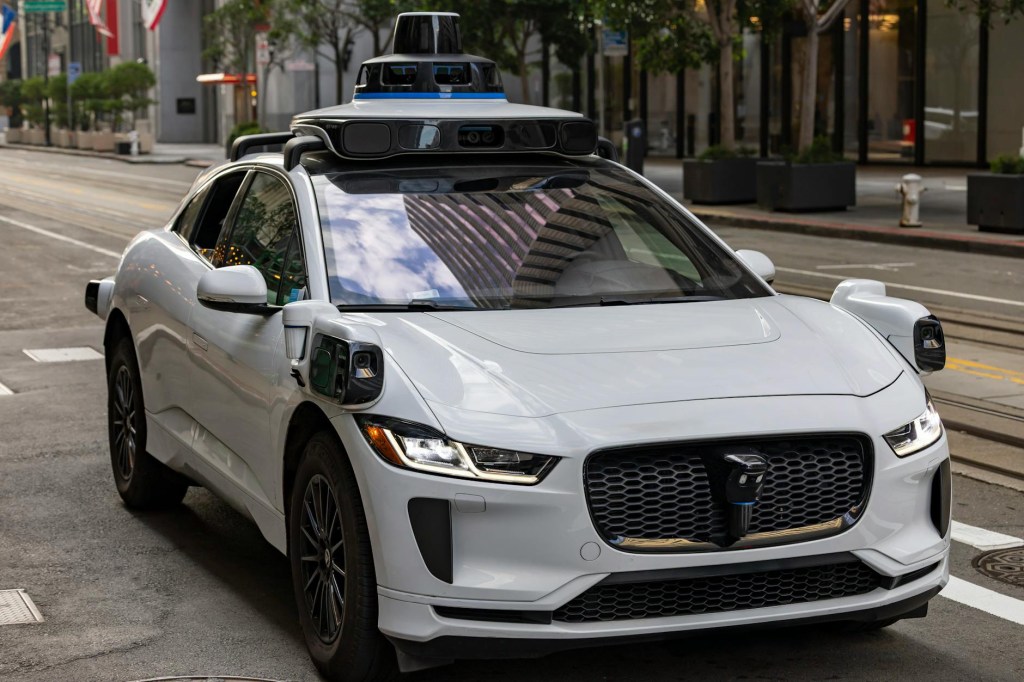
    Waymo vehicles are now being issued parking tickets and fines.

    Think about that for a second. We’ve officially entered an era where AI systems and autonomous machines are integrated into society deeply enough to inherit one of humanity’s oldest experiences: getting penalized for breaking the rules.

    What fascinates me most is how this shifts the conversation around policy, cost, careers, and AI itself.

    From a policy perspective, who is actually responsible when an autonomous vehicle violates traffic or parking regulations? Is it the passenger, the company, the engineers, the software, or the city infrastructure that failed to communicate effectively with the system? Governments and regulators are now being pushed into territory that didn’t exist a decade ago. Laws originally designed for human decision-making must now account for machine behavior operating in real-world environments.

    There’s also a major cost conversation happening underneath the surface. Parking tickets may sound minor, but when scaled across thousands of autonomous vehicles operating daily, even small inefficiencies become expensive operational realities. AI systems don’t eliminate overhead; in many ways, they create entirely new categories of operational and legal expense. Companies will need teams focused on AI governance, compliance, urban mobility strategy, and predictive infrastructure management to support these technologies responsibly.

    And then there’s the career impact. I don’t think AI simply removes jobs as much as it redistributes human expertise into new spaces. The rise of autonomous systems may create demand for AI policy analysts, ethics specialists, transportation strategists, compliance leaders, human-AI operations managers, and professionals who can bridge the gap between technology and society. The future of work may belong to people who understand both systems and human behavior.

    What this moment also reveals is something important about AI itself: AI does not remove societal complexity. It inherits it. If humans struggle with traffic laws, judgment calls, ethics, unpredictability, and urban systems, AI eventually encounters those same challenges at scale.

    We are no longer discussing whether AI will integrate into society. We are now discussing how society will adapt to living alongside AI systems every day.

    If you enjoyed reading this article, make a donation!

  • Wealth Women & Work Is Now The Launch Table

    After thoughtful reflection and growth, Venture Vogue is officially becoming The Launch Table — a rebrand that better reflects the direction, vision, and conversations I want to continue creating.

    While the name is changing, the heart of the platform remains the same. The Launch Table will continue exploring ideas around leadership, wellness, career growth, entrepreneurship, culture, creativity, and personal development through a thoughtful and grounded lens.

    The new name represents a space where ideas are shared, goals are developed, conversations are welcomed, and new beginnings are supported. A launch table is where preparation meets purpose — and that feels aligned with this next chapter.

    Thank you for continuing to grow with me. Same great content, renewed vision, and even more meaningful conversations ahead.

    — Hannah Collier

  • Move Your Business In The Right Direction With These 5 “Bottom Line Hacks”

    Increasing bottom line is an essential goal for any business as it determines the overall revenue generated by a company. There are several ways businesses can increase their bottom line. Here are five effective ways to do so:

    Offer incentives

    Offering incentives to customers can help increase sales and revenue. These incentives can be in the form of discounts, freebies, loyalty programs, or referral bonuses. Customers are more likely to make purchases if they feel they are getting a good deal or if there is an added value.

    Expand your product or service offerings

    By expanding your product or service offerings, you can attract new customers and generate more revenue from existing ones. This can be achieved by adding complementary products or services, introducing new product lines or services, or partnering with other businesses to offer a wider range of options.

    Increase your marketing efforts

    Marketing is essential for businesses to attract new customers and retain existing ones. Increasing your marketing efforts can help increase your visibility and attract more customers to your business. This can be done by utilizing social media, email marketing, paid advertising, or traditional marketing channels.

    Optimize your pricing strategy

    Pricing is a critical factor in determining revenue generated by a business. By optimizing your pricing strategy, you can increase revenue while maintaining profitability. This can be achieved by analyzing pricing data, testing different pricing models, or offering tiered pricing options.

    Improve customer experience

    Providing exceptional customer service and experience can help increase revenue by fostering customer loyalty and repeat business. This can be done by training staff on customer service, responding promptly to customer inquiries and complaints, or offering personalized experiences.

    By implementing these strategies, businesses can increase their bottom line and generate more revenue. However, it’s important to analyze the effectiveness of each strategy and adjust accordingly to achieve optimal results.

    (more…)
  • Ashlee Haze on Poetry, Purpose, and Telling Untold Stories

    Poet & Spoken Word Artist Ashlee Haze

    Interview by Hannah Collier

    It was great catching up with Ashlee Haze for this interview. An inspiration to many within the poetry community, Haze continues to leave an undeniable mark on spoken word and contemporary poetry culture. Read the full interview below and share it with others in your network.

    Hannah Collier: Tell us about yourself.

    Ashlee Haze: I am a poet and spoken word artist from Atlanta by way of Chicago. I earned the nickname “Big 30” because of my consistency in receiving perfect scores in poetry slam competitions. I’m honored to be considered one of the most accomplished poets in the sport of poetry slam.

    I’ve appeared on NPR’s Tiny Desk series alongside the collective Blood Orange. I’m also the host of Modern Philosophy, an educational and cultural podcast for modern thinkers. My sophomore book, Smoke, was released on April 20, 2020.

    Hannah Collier: What made you decide to start writing poetry?

    Ashlee Haze: When I was about 10 years old, my mom asked me to help her write something for a church event. I’ve literally been writing ever since.

    Hannah Collier: What has been your greatest inspiration?

    Ashlee Haze: I’m most inspired by my life and the issues that affect the people around me, especially Black women. I’m always observing what’s happening on both a local and global scale and examining how we respond to those issues.

    Hannah Collier: How does that inspiration translate into the development of your poetry?

    Ashlee Haze: My poetry is a direct reflection of that inspiration. I’m constantly writing about those issues and telling those stories from different vantage points.

    Hannah Collier: What questions do you get most from people who follow you?

    Ashlee Haze: (Laughs.) The most popular question is usually, “Where are you off to next?” or “Where were you recently?” I’m really active on Instagram, so it feels good knowing people are paying attention when I’m traveling.

    Hannah Collier: What can audiences expect when they come to one of your shows?

    Ashlee Haze: I generally describe my work as funny, heart-wrenching, and apologetic. It’s my job to make people feel something at my shows.

    Those feelings vary. Sometimes I want us to laugh together. Sometimes I want us to be angry together. Sometimes I want us to honor our jealousy or be willing to admit what we truly want. You can definitely expect to hear how a Black girl from Chicago, raised in the South, sees the world.

    Hannah Collier: Who do you hope to inspire?

    Ashlee Haze: I hope to inspire anyone who encounters my work. However, my work is for Black women first. I hope Black women encounter my work and see themselves—their sisters, mothers, aunts, cousins, and homies—in my stories. Everyone else’s approval is simply the cherry on top.

    Hannah Collier: Who do you follow?

    Ashlee Haze: If you mean literally, my social media is full of creatives—frequent collaborators, friends, family, and colleagues. I also follow people who’ve already been where I want to go: Beyoncé, Missy Elliott, Queen Latifah, Megan Thee Stallion, and Tank and the Bangas. My timeline is really all over the place. (Laughs.)

    Figuratively, I follow people who pursue truth. I’m inspired by creatives and entrepreneurs who work toward something bigger than themselves.

    Hannah Collier: What’s coming up next for you?

    Ashlee Haze: I’ll be hitting the road this fall. People can keep up with where I’ll be at ashleehaze.com/calendar.

    I’m also working on a book and an album, both eponymously titled KIERA. I’m excited to incorporate new genres, including prose and even rap, into my upcoming projects.

    I also recently launched my media production firm, Philosophy Media Group. We’re working on new episodes of the Moderne Philosophy Podcast and even developing a television series.

    Hannah Collier: Where do you draw your strength from?

    Ashlee Haze: My audience gives me strength. Knowing people listen to and read my work motivates me to become a better artist and a better person.

    Knowing there are people who may have waited months—or even years—to see me perform live keeps me going when life on the road becomes difficult and lonely. People are my strength.

    Hannah Collier: Are there any challenges that come with being a modern poet?

    Ashlee Haze: Poets and artists, in general, sometimes get a bad reputation for not being great at the administrative side of creative entrepreneurship. We tend to avoid things like accounting, emails, and taxes.

    That’s part of why I created Moderne Philosophy—to serve as a workshop space that teaches artists how to become better entrepreneurs and better people.

    Hannah Collier: What do you believe your impact has been so far, and what do you hope your audience learns from your work?

    Ashlee Haze: I think my impact has been telling stories that are not often told by people who are not often heard. I believe people have found fresh language and new ways to articulate their own experiences through my work.

    I hope to teach my audience how to be authentic and responsible—not only in creative work, but also in relationships and in the way we treat others. I hope people learn to express what they feel instead of ignoring or denying their emotions and stories.

    If that happens, then I feel I’m successfully doing my job.

    Hannah Collier: How can people support you and your poetry?

    Ashlee Haze: Visit my website at ashleehaze.com and check out the Shop and Media pages.

    Follow Ashlee on social media: Instagram: @ashleehaze | TikTok: @ashleehaze | Twitter/X: @ashleehaze | Facebook: Facebook.com/TheAshleeHaze

    You can also tune in to the Moderne Philosophy Podcast at anchor.fm/ashleehaze.

  • Stop “Eating Healthy.” Start Eating for Performance.

    If you’re a professional woman balancing meetings, deadlines, emails, family responsibilities, and the pressure to always be “on,” nutrition has to become more than an afterthought. The old version of healthy eating — salads at lunch, skipping meals, surviving on coffee, and trying to avoid carbs — no longer matches the reality of modern life. Today’s ambitious women need food that supports energy, mental clarity, hormone health, mood, focus, and long-term wellness. Food is no longer just about appearance. It’s about performance.

    One of the biggest mistakes many working women make is relying on caffeine instead of nourishment. A quick coffee and pastry may feel productive in the morning, but it often leads to an energy crash later in the day. Instead of building meals around convenience alone, it helps to focus on foods that stabilize energy levels. Protein-rich meals with healthy fats and fiber can help improve concentration, reduce cravings, and keep energy consistent throughout the workday. Eating well shouldn’t feel restrictive; it should feel supportive.

    Many women also confuse burnout with blood sugar crashes. Feeling exhausted at 3 PM is not always emotional fatigue — sometimes it’s a sign that your body hasn’t been fueled properly. Skipping breakfast, eating highly processed snacks, or grazing throughout the day can create cycles of spikes and crashes that affect mood, productivity, and focus. Learning how to balance meals in a way that keeps blood sugar steady can dramatically improve how you feel mentally and physically throughout the day.

    Hydration is another underrated part of wellness that directly impacts performance. Water affects focus, digestion, headaches, skin health, and even emotional regulation, yet many professionals spend their day dehydrated and overstimulated by caffeine. Creating small hydration habits throughout the day can improve energy in ways many people don’t realize until they begin paying attention to it consistently.

    Modern nutrition also requires a more realistic approach to convenience. Professional women are busy, and not every meal needs to be organic, homemade, or aesthetically perfect. The goal isn’t perfection; it’s reducing dependence on foods that leave you feeling sluggish and undernourished. There is nothing wrong with choosing options that make healthy eating easier and more sustainable. Wellness should fit into your life instead of becoming another stressful task to manage.

    Most importantly, women are beginning to shift away from the idea that healthy eating is about becoming smaller. Today, more women are focusing on strength, longevity, emotional wellness, hormone balance, and sustainable energy. The conversation is changing from “How little can I eat?” to “What helps me feel my best?” That shift creates a healthier and more empowering relationship with food.

    Healthy eating for professional women should not feel like punishment or pressure. It should feel like fuel for the life you’re building, the work you’re doing, and the person you’re becoming.

  • Iconic Wardrobe Timeless Pieces

    The Blazer — A blazer is the perfect piece to pack in your suitcase for all occasions. It’s also a great way to dress up jeans or leggings.

    The Romper(Short or Long) — Not as easy to get out of but great for a complete sleek look, Rompers fortunately come in all shapes, sizes, and colors.

    Well-made Sandals/Flip Flops — Skip the big box chain $5 flip flops and step up your shoe game to a more classy sandal or flip flop. This is better when made with highly durable materials such as leather or wood soles.

    Black stilettos/pomp’s (depending on the season)— You will never be skipped from an invitation if you choose the right black stilettos or pumps. There’s a art to getting this right. Try a platform heel or come through with a YSL signature piece.

    Custom-made Military necklace – A military necklace double for office as well as weekend staple jewelry item.

    A Cotton Tee – A cotton tee can be used with so many pieces therefore it is worth investing in the highest quality/thread. Wear with jeans, leggings, leather or slacks.

    The Tube Dress – A one piece dress that has a flattering silhouette. You can’t go wrong. If you are self-conscious about your shape add a contouring bodysuit/body shaper underneath. Colors that can add impact are black, red, orange, and brown.

    Jean jacket – You can always wear a jean jacket no matter the day of the week. Blue Jean jackets are popping but black jean can also create a low key vibe.

    High-Wasted Pants – Mom pants as we used to call them are on the comeback. Be thorough and find the right one for your physique.

    Chuck Taylor’s – These sneakers came out in the sixties. They are comfortable and chic. The latest variation is the double sole.

  • The Power Of Vulnerability

    At some point the mask must come off and we have to answer to our higher selves for emotional well being. Dr. Brené Brown, an author and research professor at the University of Houston, has spent the past two decades studying courage, vulnerability, shame, and empathy.

    There are four areas in our daily lives in which the power of vulnerability can help us step forward if we are willing to bring down the walls: relationship, work, community, and mind and body.

    Vulnerability essentially is the uncertain fear of not knowing what will happen in these four areas. Interestingly, the more we learn and understand can allow realistic expectations associated with them. We are not of the business of getting hurt; we come at life with eyes wide open.

    Here are 5 powers that walking into vulnerability sheds light on:

    Super Power # 1 Gratitude It’s easy to hate life, become trapped in stoicism, or get easily jaded when we are ungrateful. Gratitude is needed but also empowering. When joy takes over gratitude builds no resentment and is a self-check on what matters most.

    Super Power # 2 Self-awareness Vulnerability makes us more aware of who we are, who we are not, and makes clear our proximal distance to the reality of that. This understanding can help us see where the gaps are that need our attention. Self-awareness helps us to mind the gaps.

    Super Power # 3 Intellectual Growth —Vulnerability enlightens us and develops the possibility of things unknown. Instead of hiding from the truth we seek answers. Failure is one of the biggest Achilles heals of the mind. Intellectual Growth builds on the capacity to overcome fear of failure in our professional and personal lives.

    Super Power # 4 Emotional IQ — When we are vulnerable we accept that we need others and they need us. This opens us up to being receptive to listening and taking contextual clues when receiving feedback. Having a deepened sense of emotional intelligence can help us identify red flags early on. It’s okay to acknowledge the roll others play in our daily lives, however picking up on social and interpersonal cues will benefit in days ahead.

    Super Power # 5 Affirms the need for our own existence — You matter…You should know that it’s not by chance that you are here. Vulnerability calls us to our purpose. This calling helps others to see us in our most genuine selves. When we acknowledge who we are others don’t seek to downgrade us, instead they can quickly recognize our real value. Focusing on your own strengths does not lead to overcompensating. When we affirm our value there’s no need to seek external validation.

    To wrap up, go hug someone today. Allow room for vulnerability. Unleash these 5 Super Powers.